The hemp industry has experienced tremendous growth over the past few years, with e-commerce brands and creators leveraging platforms like Meta and Google to connect with customers. https://bizzmarkblog.com/what-should-i-do-if-a-creator-refuses-pre-approval/ However, marketing hemp products—especially those with CBD or other cannabinoids—requires a solid understanding of compliance regulations, particularly around product claims and advertising language.
Brands must navigate not only federal regulations set forth by bodies like the Federal Trade Commission (FTC) but also platform-specific advertising policies. This post explores the essentials of claim substantiation basics, explains why treating language like "treat, prevent, cure" is prohibited, and provides examples of approved versus prohibited language lists for hemp brands. We’ll also highlight how companies such as Tomoson and Joy Organics uphold brand responsibility and FTC training and monitoring expectations across their influencer campaigns.
Why Brand Responsibility for Creator Claims Matters
In the rapidly expanding world of influencer marketing and affiliate programs, brands often collaborate with creators to promote hemp products. While creators have their own voice, the brand carries ultimate responsibility for ensuring claims comply with regulations.
The FTC has made it clear that the sponsor of an advertisement—including influencers and creators—is accountable for false or misleading claims. This means if a creator writes or says something unsubstantiated about a hemp product, the brand can be held liable.
Leading companies in the hemp sector, such as Joy Organics, have demonstrated best practices by investing in thorough FTC training for their creator partners and maintaining rigorous monitoring procedures for live posts and ads. This proactive approach reduces risk and builds consumer trust.
Understanding FTC Training and Monitoring Expectations
The FTC requires that marketers substantiate any health claims made about hemp-derived products. Educational initiatives often include:
- Claim Substantiation Basics: Marketers must support any statement about benefits or effects with credible scientific evidence or regulatory approval. Disclosure Requirements: Influencers and affiliates must clearly disclose the nature of their relationship with the brand, especially if they receive compensation. Regular Monitoring: Brands must actively review and monitor influencer content once it goes live to ensure ongoing compliance and address issues promptly.
Ask yourself this: tools such as content review dashboards and automated monitoring software are crucial. Platforms like Tomoson provide influencer marketing program management that integrates compliance checks. Social networks such as Meta and Google have varying policies where misrepresenting a hemp product’s benefits can lead to disapproved ads or account penalties.
Approved vs Prohibited Language: What Hemp Brands Need to Know
One of the clearest ways brands control risk is by assembling comprehensive approved vs prohibited language lists for creators. These lists guide creators on what they can and cannot say in marketing materials, helping avoid claims that could trigger FTC enforcement or platform restrictions.
Why "Treat, Prevent, Cure" Wording Is Prohibited
Language implying that a hemp product can diagnose, treat, cure, or prevent diseases is strictly prohibited, unless approved by the FDA. This restriction stems from the fact that these kinds of claims are considered drug claims under the Food, Drug, and Cosmetic Act unless supported by scientific evidence and regulatory clearance.
For example:
- Prohibited: "CBD oil treats anxiety" or "Our hemp gummies prevent insulin spikes." Approved Alternative: "Our hemp gummies support relaxation and wellness."
Brands must emphasize product facts only, avoiding any implication that the product is a medicine or can replace medical treatment.
Examples of Approved Language for Hemp Products
Below is a sample list of language typically approved by regulatory consultants and advertising platforms for hemp product marketing.
Approved Phrase Explanation Supports overall wellness Indicates a general benefit without making medical claims Promotes relaxation Non-specific language that avoids treat/cure elements Contains hemp extract Fact-based product ingredient claim Helps maintain balance Vague but permissible claim about homeostasis or general health Third-party lab tested Factual quality assurance statementExamples of Prohibited Language for Hemp Products
Prohibited Phrase Reason Prevents seizures Claims disease treatment without FDA approval Cures chronic pain Illegal medical claim Anti-inflammatory drug alternative Makes drug-like therapeutic claims Heals skin conditions Implies curing a medical condition FDA approved for anxiety False claim unless FDA-approved productHow Tools Like Meta and Google Affect Hemp Marketing Language
Advertising on popular social platforms like Meta and Google requires adherence to their own nuanced policies. These often prohibit certain health claims even if brand compliance is met to protect users from misleading marketing.
- Meta: Prohibits ads with medical claims not supported by authorized sources. Hemp ads often require careful wording and sometimes insist on disclaimers or educational content. Google: Limits ads for CBD and hemp products in most regions, and disallows claims that promise health benefits without evidence.
Brands are advised to collaborate with marketing agencies or platforms like Tomoson to ensure influencer content aligns perfectly with Meta and Google's expectations while maintaining FTC compliance.
Claim Substantiation Basics Every Hemp Brand Should Follow
Before placing any claim in marketing materials, brands and creators should check:
Scientific Evidence: Is there reliable peer-reviewed research supporting the claim? Regulatory Approval: Has the FDA or any other regulatory agency approved the claim? Platform Policies: Does the advertising platform allow this claim in its current language? Clarity to Consumers: Is the language clear but not misleading?When in doubt, brands should default to product facts only and avoid any health-related claims that might be construed as medical treatment.
Real-World Example: How Joy Organics Manages Approved Language Lists
Joy Organics, a pioneer in premium hemp products, carefully curates a detailed approved language list for all influencer campaigns. Every creator partner receives training to understand the differences between “supporting wellness” and “treating a condition.” The brand implements ongoing post-approval monitoring and quick takedown procedures for content that strays off-script.
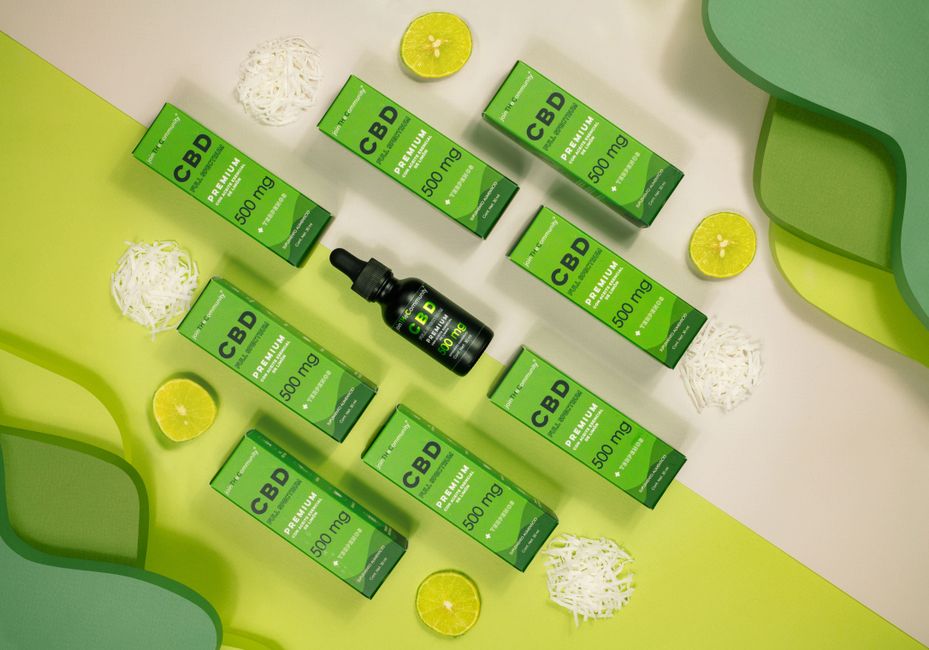
This level of diligence aligns directly with FTC expectations and significantly lowers risk of costly regulatory scrutiny or ad disapprovals on Meta and Google platforms.

Conclusion: Navigating the Hemp Marketing Language Landscape
Marketing hemp products effectively means balancing creativity with compliance. Brands must take brand responsibility seriously by providing creators with clear approved vs prohibited language lists emphasizing claim substantiation basics and steering clear of treat, prevent, cure wording. Leveraging expert training, monitoring tools, and platforms like Tomoson for influencer marketing management can help brands like Joy Organics maintain trust and thrive under regulatory pressures.
Remember, when COA lab report explained communicating about hemp products in ads or influencer posts, stick to product facts only and focus on supporting wellness rather than promising cures. This approach pays dividends in brand reputation, consumer confidence, and long-term success.