Dubbing and lip sync are related ways to adapt video for another language, but they solve different problems. Dubbing replaces or adds spoken audio. Lip sync adjusts the visible mouth movements—or the timing and wording of dialogue—to make speech appear more closely matched to a speaker’s lips.
That distinction matters when planning a YouTube channel for an international audience. A translated voice track may make a video understandable without changing the image. A lip-synced version may feel more natural in a close-up, but it can require additional production, review, and consent. Neither option automatically grows a channel. The useful question is whether localization helps the right viewers keep watching—and what the retention graph says after they do.
Dubbing Definition: Replacing or Adding Spoken Audio
Dubbing definition: Dubbing is the process of replacing, supplementing, or adapting a video’s original spoken audio with a new spoken track, often in another language. The new audio may be recorded by human voice actors, generated with AI, or produced through a combination of both.
In a typical dub, the visuals remain unchanged. The translated dialogue is timed to the scene, but it does not have to match every visible mouth movement precisely. For a voice-over style video, that may be all the localization requires. For a drama or a talking-head close-up, a mismatch between the voice and the speaker’s lips may be more noticeable.
Modern AI dubbing workflows can involve transcription, translation, voice selection or cloning, speech generation, timing adjustments, and audio mixing. Tools such as ElevenLabs Dubbing Studio can support parts of this process, including generating dubbed audio. But a tool is one component of a production workflow, not a substitute for editorial judgment or language review.
Lip Sync Definition: Matching Visible Speech
Lip sync definition: Lip sync is the alignment of visible mouth movements with spoken words. In localization, it can refer to adapting translated dialogue to fit the timing and mouth shapes on screen, or using visual editing or AI techniques to make a speaker’s mouth appear to say the newly recorded words.
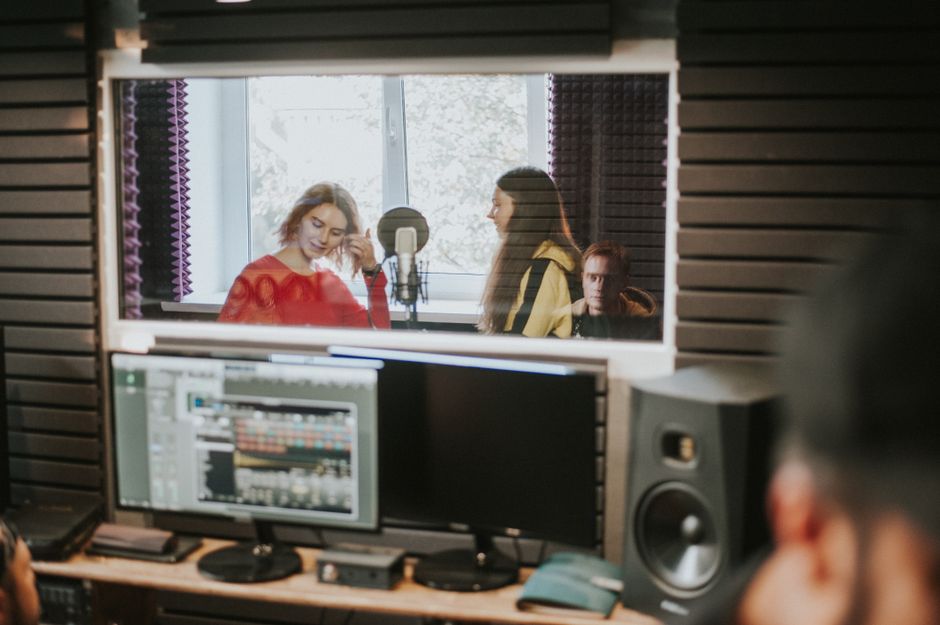
Lip sync is not the same as dubbing. Dubbing changes the audio track; lip sync concerns how closely speech and visible mouth movement correspond. A video can be dubbed without being lip-synced. It can also have a dubbed track with additional lip-sync work, though that extra work may raise the production burden and the stakes for review.
Some dialogue is easier to fit than other dialogue. A short phrase with a similar rhythm may translate cleanly. A line with different word length, emphasis, or mouth shapes may not. For example, languages differ in syllable count and sentence structure, so a literal translation may run too long—or land its stressed words at the wrong moment.
AI Lip Sync vs Dubbing: The Practical Difference
Question Dubbing Lip sync What changes? The spoken audio is replaced or supplemented. The visible speech is aligned with the audio, often through dialogue adaptation or visual modification. Is it needed for every translated video? No. It depends on whether a localized audio track serves the format and audience. No. It is most relevant when viewers focus on a visible speaker’s mouth. What can go wrong? Awkward translation, unnatural delivery, poor timing, or a distracting voice mismatch. Unconvincing mouth movement, visual artifacts, or dialogue that sounds forced to fit the timing. What should be reviewed? Meaning, pronunciation, performance, mix, and cultural context. All of the dubbing checks, plus the visual match and any changes made to a person’s likeness.“AI lip sync vs dubbing” is a useful comparison when choosing a localization approach, but the options are not mutually exclusive. A team might dub a video and leave the image as-is, dub it and adapt the dialogue for timing, or use a lip-sync process as a separate visual step. The right choice depends on the footage, the audience, and the amount of mismatch viewers are likely to notice.
Why International Audiences Are an Opportunity—not a Shortcut
For some creators, English-language YouTube is crowded, and a strong video may have a chance to reach viewers in markets where fewer creators cover the same topic in the same way. That can make localization worth testing. It does not mean translated audio automatically creates demand, or that a new language track will outperform the original.
Audience opportunity depends on more than language. Viewers need to care about the topic, understand the packaging, and find a version that feels credible. A localized title and thumbnail may help set expectations, while a well-produced audio track can reduce the friction of following the video. But if the opening is slow, the subject does not travel, or the translation sounds unnatural, viewers may leave quickly.
For YouTube channel strategy, look beyond view count. Compare retention and viewing behavior for localized videos: Where do viewers drop off? Do they stay through the introduction? Do they leave when a guest starts speaking, when on-screen text appears, or when the translated voice feels out of step? Views tell you that people clicked. The retention graph helps show whether the localized experience held their attention.
How Mature Is the AI Dubbing Pipeline?
AI dubbing has become more accessible, and some workflows can move from source video to generated language tracks much faster than traditional casting and recording. Depending on the tool and setup, teams may be able to generate speech that resembles a source speaker, manage multiple speakers, and adjust audio timing. The exact capabilities vary, so review the output rather than assuming every feature will work equally well for every language or video.
The pipeline is not simply “translate, press a button, publish.” Quality depends on each stage:
Transcription: Speech recognition can mishear names, accents, overlapping dialogue, or specialized vocabulary. Translation and adaptation: A literal translation may preserve words while losing intent, humor, or natural phrasing. Voice generation: A voice can sound clear yet still lack the speaker’s conversational energy, age, warmth, or authority. Timing and prosody: The new track must place pauses, stress, pitch movement, and emphasis in ways that sound natural. Mixing and review: Music, ambience, and effects must not bury the dialogue, and a fluent reviewer should check the final result.Prosody—the rhythm, stress, intonation, and pacing of speech—is one of the places a technically fluent dub can still feel off. A generated line may pronounce each word correctly but put emphasis on the wrong one. It may also flatten a joke, make a question sound like a statement, or deliver an emotional moment with the wrong weight. These issues are especially noticeable when viewers already know the original speaker’s personality.
For a low-risk explainer, AI may provide a useful first pass or even a publishable track after careful review. For a sensitive subject, a high-stakes claim, or a creator whose voice is central to the channel, native-language review is important. A fluent speaker should check not only grammar but tone, meaning, cultural implications, and whether the performance sounds believable.
Which Formats Are a Better Fit?
Informational and Voice-Over Content
Screen recordings, narrated explainers, product demonstrations, and some documentary-style videos can be relatively forgiving. The viewer’s attention is often on the screen, diagram, or activity rather than on a speaker’s mouth. In these cases, a clean dub may be enough, and lip sync may add little practical value.
Still, visual context matters. If the original speaker appears only briefly, a voice-over may feel natural. If they remain on screen throughout, a mismatch may distract some viewers. Try a short pilot and review the footage in context rather than judging only the audio file.
Personality-Led and Guest-Focused Content
Vlogs, interviews, comedy, reaction videos, and creator-led essays depend more heavily on presence. https://emailtr.influencermarketinghub.com/api/v1/track/link/click/68b9cc9bc202d9a74ee938d0/1789390604572/?link=https%3A%2F%2Finfluencermarketinghub.com%2Fai-dubbing-for-creators%2F Viewers may come for a particular person’s expressions, timing, or relationship with a guest. A dub can carry the information, but it may not preserve the small pauses and vocal choices that make the creator recognizable. Lip sync can improve the visual fit, but it cannot recreate a performance that was lost in translation.
Guest content also requires care beyond production quality. Get appropriate permission for using a guest’s voice or likeness in localized versions. Do not assume that permission to appear in the original video covers voice cloning, synthetic alteration, or every future language adaptation. Confirm the scope of consent and any relevant contractual rights before creating or publishing those versions.
Predictable Technical Failure Modes
Localization problems are often ordinary production problems, not mysterious AI failures. Watch for these recurring issues:
- Names and specialist terms: Mispronounced people, brands, or technical vocabulary can undermine trust. Timing drift: The dub may start correctly but run late, overlap a reaction, or end before the visible speaker finishes. Flat prosody: The words are understandable, but the performance lacks emphasis, hesitation, humor, or emotional range. Forced dialogue: A translation has been squeezed to fit the original duration, making the wording unnatural. Voice inconsistency: A speaker may sound different across scenes or videos, particularly when settings or generation methods change. Visual artifacts: If lip-sync manipulation is used, inspect the mouth and nearby facial features during movement, cuts, and changes in lighting. Mixing problems: The new voice may compete with music or sound effects, or the original speech may remain audible underneath. Untranslated on-screen text: A localized voice track can still leave viewers without key information shown in graphics or captions.
Test a representative section before processing an entire back catalog. Include a close-up, a fast exchange, names or jargon, and a moment where the creator’s delivery carries meaning. Listen on headphones and ordinary speakers, then have a native speaker review the version as an audience member would experience it.
A Practical Decision Framework
Before choosing between a dub and lip-sync work, answer these questions:
Is spoken language the main barrier? If so, test a localized audio track first. Is the speaker’s mouth visible for long stretches? If yes, assess whether the mismatch is distracting enough to justify more work. Does the format depend on personality? A personality-led video may need more adaptation and performance review than a screen-recorded tutorial. Can you review the target language properly? If not, build in a native-speaking reviewer, especially for sensitive or specialized content. Do you have permission for the use? Clarify rights and consent for voice, likeness, and any synthetic alteration before production. What will you measure? Track audience retention and other relevant viewing signals by language, not just the total number of views.
On YouTube, make the test small enough to learn from. Localize a video with a clear audience fit, check that the audio and packaging are correct, and compare how viewers respond. Read the retention graph alongside comments and other context; a dip can suggest a problem, but it does not identify the cause on its own. Use that evidence to revise the next version rather than treating dubbing as a one-time growth hack.
The Bottom Line
Dubbing replaces or adds speech. Lip sync makes visible speech better match the audio. They can be used separately or together, but they are not interchangeable. AI tools such as ElevenLabs Dubbing Studio can make parts of the dubbing workflow more accessible, while human review remains valuable for meaning, prosody, rights, and audience trust.
For international YouTube audiences, start with the format and the viewer experience. Informational videos may work well with a straightforward dub; personality-led content may need more careful adaptation, and sometimes lip-sync work. Test the localized version, inspect retention rather than relying on views alone, and make the production choice that helps viewers follow—and want to keep watching.
